Autore: Caleb W. Boyes

  • The Bible: history or fantasy

    The Bible: history or fantasy

    Reading names like Nebuchadnezzar, Sennacherib, Tirhaka, etc. can feel like reading fantasy rather than history, but a quick tour of the world’s top museums is enough to realize that these names belong to real people. Nebuchadnezzar, for example, was named in honor of the Babylonian god Nabu (Nabu – Kudurri – Ussur). Historians refer to him as Nebuchadnezzar II, and the ruins of ancient Babylon are littered with mudbricks that have his name stamped on them.
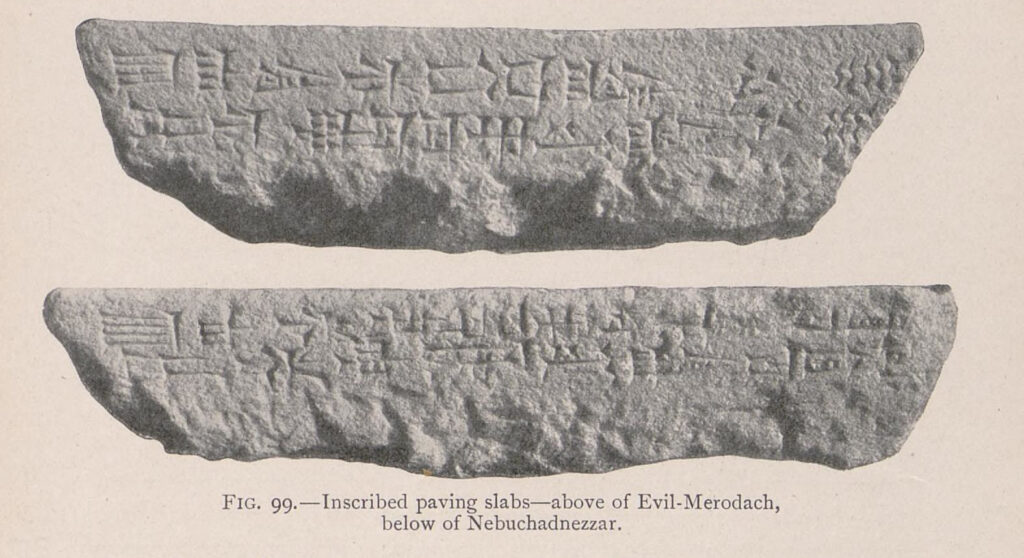
    Artifacts bearing the names of Nebuchadnezzar (above) and his son Amil-Marduk (below)

    Cophra king of Egypt

    Immagine 1 di 12

    Cartouche of the pharoah Cophra mentioned by the prophet Jeremiah. Cophra’s obelisk was transported to Rome and is currently in Piazza della Minerva (Rome)

    The same goes for the names of biblical cities, many of which have now been explored and shown to line of with the information provided about them in the Bible. Consider for example the monumental six-chambered gates found at cities like Gezer, Lachish, and Megiddo. These impressive structures were built with a consistent pattern: a massive gate flanked by six large chambers, three on the left and three on the right.
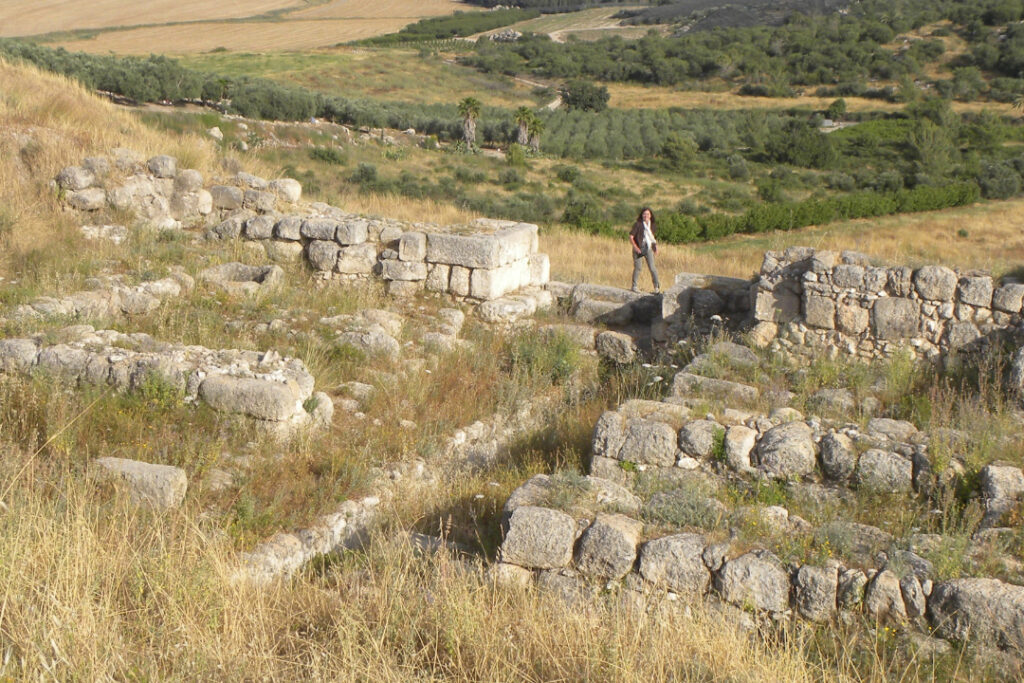
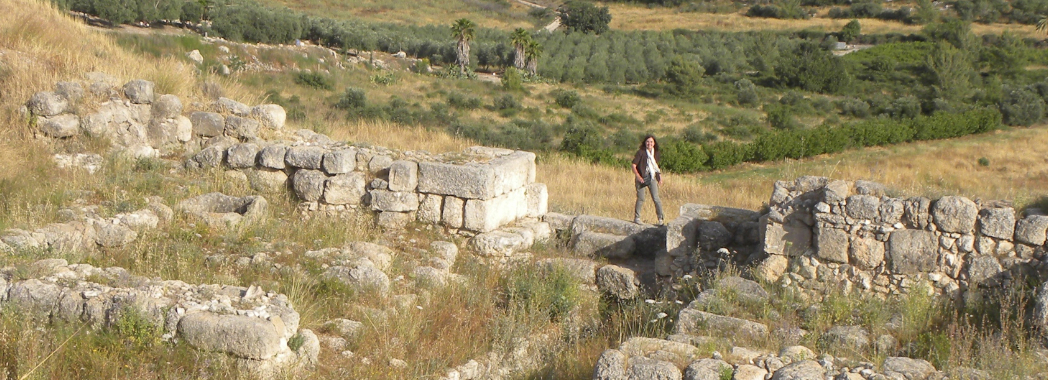
    Six-chambered gate at Tel Gezer CC BY SA Ian Scott
    Monumental six-chambered gate at biblical Gezer (CC BY-SA 2.0) Ian Scott

    Realizing that the names of kings and cities in the Bible are the product of historical fact may surprising for some, but what’s truly surprising for all is the fact that even minor details, such as the names of marginal characters and specific events match the archeological record, showing that the texts we read today were written as the events were taking place (and not centuries after the fact).

    One of the clearest examples of this is found in the book of the prophet Jeremiah. The Bible tells us that Jeremiah’s warnings of impending judgement were met with strong resistance. Four of the king’s ministers even tried to have the prophet killed, and we aren’t spared any details about the event. Not only do we know the names of these men, but also their social status and the names of their fathers. They were:

    • Shephatiah the son of Mattan
    • Gedaliah the son of Pashhur
    • Jucal the son of Shelemiah
    • Pashhur the son of Malchijah

    Archeological digs in Jerusalem have recently uncovered the official seals of two of these four men, along with the seal of one man who helped protect Jeremiah (Gemariah the son of Shaphan). This was no casual find, the seals bear the names of each nobleman along with the name of his father and were found in the destruction layer created by Nebuchadnezzar’s troops.

    3D reconstruction of the rings of Gemariah, Jucal and Gedalia based on the bullae (i.e. the seal impressions) found in Jerusalem.

    But archeology can help us with much more than just demonstrating the historical validity of the Bible. Coming into close contact with the past also makes the Bible easier to understand, appreciate and remember. So don’t stop digging, there’s much more to learn!

    Shephatiah the son of Mattan, and Gedaliah the son of Pashhur, and Jucal the son of Shelemiah, and Pashhur the son of Malchijah, heard the words that Jeremiah spoke to all the people, saying, 2 “Yahweh says, ‘He who remains in this city will die by the sword, by the famine, and by the pestilence; but he who goes out to the Chaldeans will live, and he will escape with his life, and he will live.’ 3 Yahweh says, ‘This city will surely be given into the hand of the army of the king of Babylon, and he will take it.’”

    4 Then the princes said to the king, “Please let this man be put to death; because he weakens the hands of the men of war who remain in this city, and the hands of all the people, in speaking such words to them: for this man doesn’t seek the welfare of this people, but harm.”

    5 Zedekiah the king said, “Behold, he is in your hand; for the king can’t do anything to oppose you.”

    Jeremiah 38 (WEB)
  • La Bibbia: storia o fantasia?

    La Bibbia: storia o fantasia?

    Leggendo i nomi di personaggi biblici quali Nabucodonosor, Sennacherib, Tirhaka, ecc. si ha l’impressione di sfogliare un testo nato dalla fantasia di qualche scrittore anonimo. Eppure basterebbe un tour dei principali musei internazionali per capire che questi nomi appartengono a persone reali.

    L’invasione assira, il re di Giuda e la fortezza di Lachish…
    Reperti recanti i nomi di Nabucodonosor (sopra) e di suo figlio Amil-Marduk (sotto)

    Ezechia

    Immagine 1 di 12

    Ricostruzione 3D del sigillo di Ezechia basato sulla bulla scoperta da Eilat Mazar recante l’iscrizione “Di Ezechia figlio di Acaz re di Giuda”

    Lo stesso si può dire delle rovine di città bibliche che emergono dal suolo della terra di Israele. Consideriamo, per esempio, le porte di ingresso monumentali che caratterizzano siti come Gezer, Lachish, o Megiddo. Queste strutture impressionanti seguono tutte un unico schema: una porta di ingresso fiancheggiata da sei ampie camere, tre a destra e tre a sinistra.

    Six-chambered gate at Tel Gezer CC BY SA Ian Scott
    Porta monumentale della biblica Gezer (CC BY-SA 2.0) Ian Scott

    Ma se le città e i loro regnanti appartengono alla realtà e non alla fantasia, che dire dei personaggi minori e degli eventi specifici narrati nelle sacre scritture?

    Anche in questo caso l’archeologia ci è di aiuto. Possiamo prendere ad esempio gli uomini che – stando al libro del profeta Geremia – avrebbero fatto gettare il profeta in una cisterna. La bibbia non ci risparmia i dettagli sul loro conto, sappiamo i loro nomi, i nomi dei loro padri, il loro status presso la corte del re di Gerusalemme e, ovviamente, l’epoca in cui sono vissuti. Si tratta infatti di:

    • Sefatià figlio di Mattàn
    • Ghedalia figlio di Pascùr
    • Iucàl figlio di Selemia
    • Pascùr figlio di Malchia

    Ebbene, proprio dallo strato di distruzione lasciato dall’esercito di Nabucodonosor sono emersi i negativi dei sigilli di due di queste figure minori (Ghedalia e Iucàl) in entrambe i casi i sigilli riportano il nome del padre e del figlio e la loro posizione stratigrafica (epoca babilonese) e topografica (a pochi passi dalla spianata del tempio) rendono certa l’identificazione con gli antagonisti nominati da Geremia. Lo stesso vale per un tale Ghemaria figlio di Safan, che mostrò amicizia al profeta.

    Ricostruzione 3D degli annelli con sigillo di Ghemaria, Iucal e Ghedalia, e altri, basati sulle bullae (cioè le impronte negative dei sigilli) rinvenute a Gerusalemme

    Ma l’utilità dell’archeologia biblica non finisce qui, incontrare la storia non solo rende più tangibile il testo biblico aiuta anche renderlo più comprensibile e più facilmente assimilabile. In somma, continua a scavare c’è molto altro da scoprire!

    1 Sefatia figlio di Mattan, Ghedalia figlio di Pasur, Iucal figlio di Selamia e Pasur figlio di Malchia, udirono le parole che Geremia rivolgeva a tutto il popolo, dicendo: 2 “Così parla l’Eterno: ‘Chi rimarrà in questa città morrà di spada, di fame o di peste; ma chi andrà ad arrendersi ai Caldei avrà salva la vita, la vita sarà il suo bottino e vivrà’. 3 Così parla l’Eterno: ‘Questa città sarà certamente data in mano dell’esercito del re di Babilonia, che la prenderà’”. 4 I capi dissero al re: “Quest’uomo sia messo a morte! poiché egli rende fiacche le mani degli uomini di guerra che rimangono in questa città, e le mani di tutto il popolo, tenendo loro tali discorsi; quest’uomo non cerca il bene, ma il male di questo popolo”. 5 Allora il re Sedechia disse: “Ecco, egli è in mano vostra; poiché il re non può nulla contro di voi”.

    Geremia 38 (Riveduta 2020)